As Brian Mackenzie says, “If you can’t breathe in a position, you don’t own the position.”
Proper breathing mechanics are crucial for sports performance, including CrossFit, and for overall health and daily life. We take approximately 17,000-30,000 breaths each day, yet many people experience dysfunctional breathing patterns without realizing it.
Understanding Normal Breathing Mechanics
Inhalation: When you inhale, air fills your lungs as your diaphragm contracts and flattens. This action expands your rib cage upward and outward. During this phase, the abdominal and pelvic floor muscles relax, allowing the diaphragm to move freely and push abdominal contents downward.

Exhalation: As you exhale, respiratory muscles relax, and your rib cage moves downward. Normally a passive action, exhalation can become active during forceful breathing, engaging the anterior abdominal muscles and intercostals (the muscles located between the ribs) to increase abdominal pressure.
Due to its direct connection with the lumbar spine, the diaphragm also supports spinal stability. Proper diaphragmatic breathing decompresses your spine naturally during inhalation. Conversely, poor diaphragm function may lead to increased lumbar spine compression over time.
Signs of Dysfunctional Breathing Patterns
Many adults display inefficient breathing habits characterized by excessive use of the chest and accessory neck muscles while neglecting diaphragm engagement. This imbalance can gradually result in significant musculoskeletal concerns.
Negative Effects of Improper Breathing Mechanics
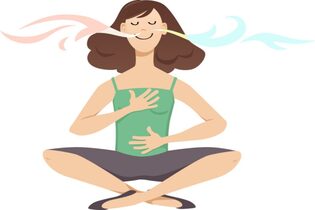
Poor breathing patterns can contribute to multiple issues, including:
- Instability and pain in the pelvis and lumbar spine
- Excessive anterior pelvic tilt due to muscle imbalance
- Neck and shoulder muscle overuse (scalenes, pectoralis minor, upper trapezius, sternocleidomastoid), leading to chronic neck stiffness, shoulder pain, and mid-back discomfort
- Reduced lung capacity and airflow efficiency
- Heightened anxiety, stress levels, and a prolonged "fight or flight" response triggered by sympathetic nervous system activation
If you recognize any of these symptoms, contact Roaming Rehab today for a comprehensive evaluation! Proper evaluation and personalized interventions can address breathing dysfunction, significantly enhancing your rehab and overall well-being.